


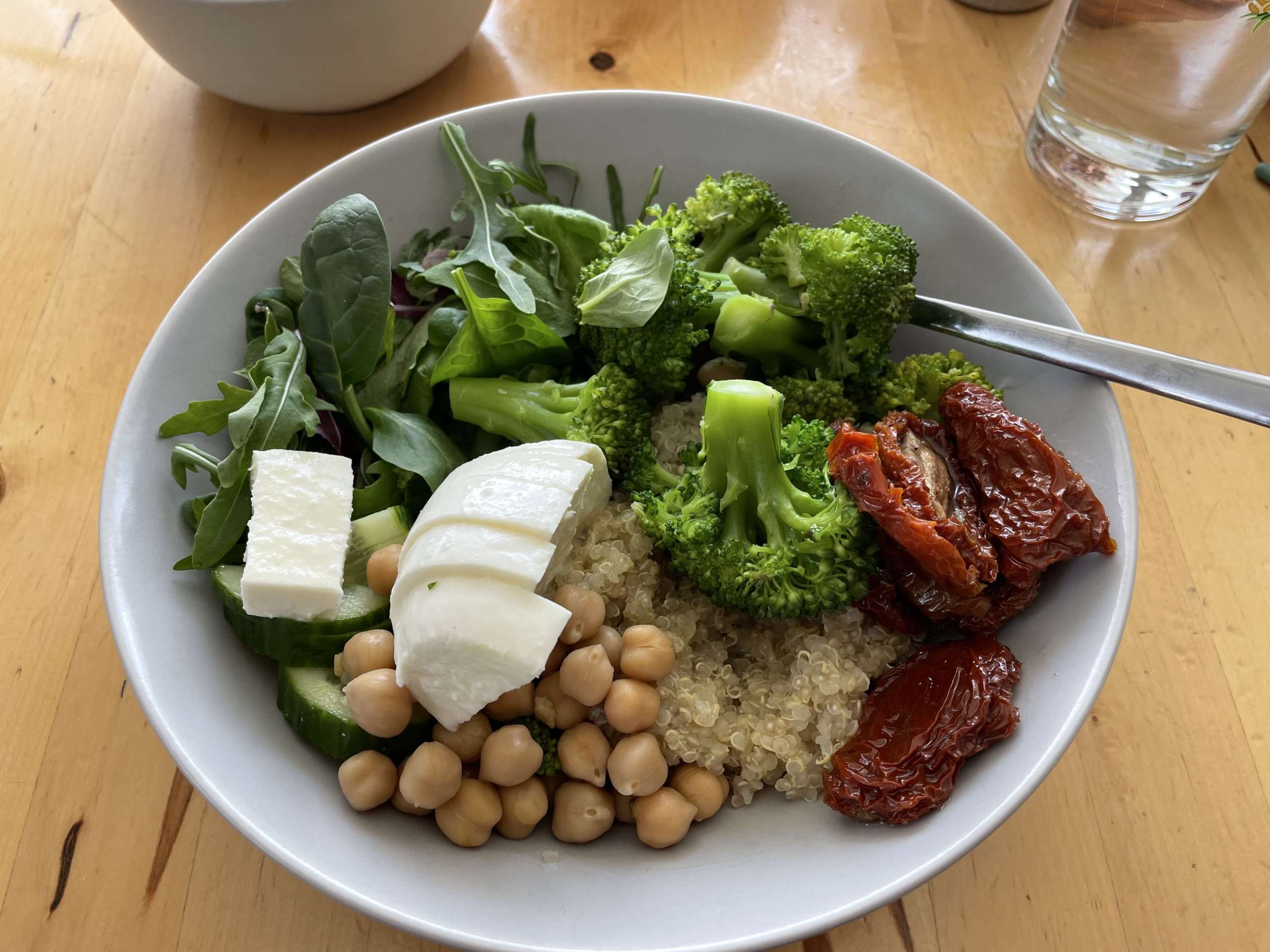
An elevated cholesterol level can increase the risk of cardiovascular disease. However, before reaching for medication, there are numerous natural ways to lower cholesterol levels and promote heart health. In this article, you will learn which diet, lifestyle changes, and home remedies can help. But please, if the value does not change, you should listen to your doctor and take the medication.
Tips for naturally lowering your cholesterol levels
1. Choosing the right diet
Diet plays a central role in regulating cholesterol levels. Here are some proven tips:
- More fiber: Soluble fiber found in oatmeal, legumes such as beans, lentils, chickpeas, fruit such as apples, pears, berries, oranges, and vegetables such as carrots and sweet potatoes
- Prefer healthy fats: Unsaturated fats from olive oil, seeds (flaxseeds, chia seeds, sunflower seeds, pumpkin seeds), nuts (almonds, walnuts, cashews, pistachios, hazelnuts), and avocados are a healthy alternative to saturated fats
- Integrate omega-3 fatty acids: Fatty fish such as salmon, mackerel, herring, sardines, tuna, as well as flaxseeds, chia seeds, algae (e.g., chlorella or spirulina), and walnuts help to increase good HDL cholesterol
- Garlic: contains allicin, which has been proven to lower LDL cholesterol. It also has a positive effect on blood pressure.
- Green tea: Contains antioxidants that can help lower LDL cholesterol.
- Whole grain products, such as whole grain bread, quinoa, amaranth
- certain fortified foods such as margarine with plant sterols
- dark chocolate with at least 70% cocoa, enjoy in moderation
- Dark berries, such as blueberries, blackberries, redcurrants, acai berries
- Red grapes, as grape juice or in moderation in red wine
- Tomatoes and tomato products, these are rich in lycopene, which can lower LDL
- Onion, have anti-inflammatory properties and promote heart health
- Soy products, such as tofu, soy milk, edamame (young soybeans), tempeh
- Cabbage, sauerkraut, kimchi
- Apple cider vinegar
- Artichokes
- Grapefruit
Furthermore, avoid trans fats: These unhealthy fats are often found in processed products, fast food, and margarine and increase LDL cholesterol.
Eat more plant-based foods: A plant-based diet with plenty of fruit, vegetables, and legumes can have a positive effect on cholesterol levels.
2. Regular exercise
Exercise can help increase HDL cholesterol and lower LDL cholesterol. Just 30 minutes of moderate exercise per day – whether walking, cycling, or swimming – has a positive effect.
3. Maintain a healthy weight
Being overweight can negatively affect cholesterol levels. Even a weight loss of 5–10% of body weight can help improve the values.
4. Reduce stress
Chronic stress can increase cholesterol levels. Relaxation techniques such as yoga, meditation, or breathing exercises can help reduce stress and thus protect the heart.
5. Quit smoking and enjoy alcohol in moderation
Smoking lowers good HDL cholesterol and promotes inflammation in the vessels. Alcohol should also only be consumed in moderation, as excessive consumption can worsen cholesterol levels.
Healthy, cholesterol-lowering meals for a whole day
Breakfast: Oatmeal with nuts and berries
Why? Oatmeal contains soluble fiber that helps transport excess cholesterol out of the body. Nuts provide healthy fats, and berries are packed with antioxidants.
Ingredients for 1 serving:
- 50 g oatmeal
- 250 ml oat or almond milk
- 1 tsp flaxseeds or chia seeds
- A handful of berries (blueberries, raspberries, strawberries, blackberries, redcurrants, acai berries, etc.)
- 1 tbsp chopped walnuts or almonds
- 1 tsp honey or cinnamon (optional)
Instructions:
Bring the oatmeal to a boil in the oat milk, add flaxseeds and chia seeds, and let soak for 1 minute.
Extra tip: You can also soak the oatmeal, flaxseeds, and chia seeds in the milk overnight.
Season with cinnamon or honey to taste and top with the berries and nuts.
Extra info: here you can vary the fruit: oranges, grapefruit, apples, pears, red grapes, etc.
Morning snack: Avocado on whole grain bread with tomatoes
Why? Avocados are rich in unsaturated fats that promote "good" HDL cholesterol. Tomatoes contain lycopene, which helps lower "bad" LDL cholesterol.
Ingredients for 1 serving:
- 1/2 avocado
- 1 slice of whole grain bread
- 3–4 cherry tomatoes, sliced
- A little lemon juice, salt, and pepper
Instructions:
Mash the avocado and season with lemon juice, salt, and pepper. Spread on the whole grain bread and top with the tomato slices.
Lunch: Lentil salad with walnuts and arugula
Why? Lentils contain plant proteins and fiber that positively influence cholesterol levels. Walnuts provide valuable omega-3 fatty acids.
Ingredients for 1 serving:
- 150 g cooked green or brown lentils
- A handful of arugula
- 1 small red bell pepper, diced
- 1 small carrot, grated
- 1 tbsp walnuts, coarsely chopped
- 1 tbsp olive oil
- 1 tbsp lemon juice or apple cider vinegar
- Salt,
- Pepper
- a little mustard
Instructions:
For the dressing, mix the olive oil, lemon juice, mustard, salt, and pepper. Mix the lentils, vegetables, and walnuts, pour the dressing over them, and mix everything well.
Afternoon snack: Green smoothie with flaxseeds
Why? Green tea contains antioxidants, spinach provides magnesium, and flaxseeds contribute to lowering cholesterol levels.
Ingredients for 1 serving:
- 1 handful of spinach or kale
- 1/2 apple or 1/2 banana
- 250 ml green tea (cooled) or almond milk
- 1 tsp flaxseeds or chia seeds
- 1 tsp lemon juice
Instructions:
Put all ingredients into a blender, mix everything, and enjoy immediately.
Dinner: Pan-seared salmon with quinoa and broccoli
Why? Salmon contains many omega-3 fatty acids, quinoa is an excellent plant-based protein source, and broccoli provides fiber as well as antioxidants.
Ingredients for 1 serving:
- 1 salmon fillet (approx. 150 g)
- 80 g quinoa
- 150 g broccoli
- 1 tbsp olive oil
- 1 tsp lemon juice
- Salt
- Pepper
- a little garlic, pressed
Instructions:
Wash the quinoa and cook in a pot with hot water according to the package instructions. Steam the broccoli with a little water until soft. Marinate the salmon with olive oil, lemon juice, garlic, salt, and pepper and sear in the pan. Arrange the finished quinoa and broccoli with the salmon on a plate and enjoy.
Conclusion
A varied diet with plenty of vegetables, healthy fats, fiber, and omega-3 fatty acids is the best way to naturally lower cholesterol levels. Supplemented by an active lifestyle and avoiding unhealthy fats, this can make a big difference for heart health.
Photo by Sabine, meinhaushalt.at
Read also: How can I finally lose weight?


